How to Transition Gray Hair Gracefully: Gray Blending Options That Actually Work
Let’s be real—finding your first gray hair can stir up all the emotions. Surprise. Resistance. Curiosity. Maybe even a little excitement mixed with fear. The good news? You have options. Lots of them.
Learning how to transition gray hair gracefully isn’t about one “right” way. It’s about choosing a path that fits your lifestyle, your maintenance comfort level, and your personal style. Whether you want a subtle blend or a bold reset, modern gray blending techniques make the process softer, more flattering, and way more manageable than it used to be.
At Naked Eye Beauty, I walk clients through this journey every day—and no two transitions ever look the same. Below, I’m breaking down the most popular and effective gray blending options, what they look like, who they’re best for, and how much upkeep they really require.
Take a breath, grab a coffee, and let’s explore what might work best for you ☕.
1. Demi-Permanent Root Blending + Highlights
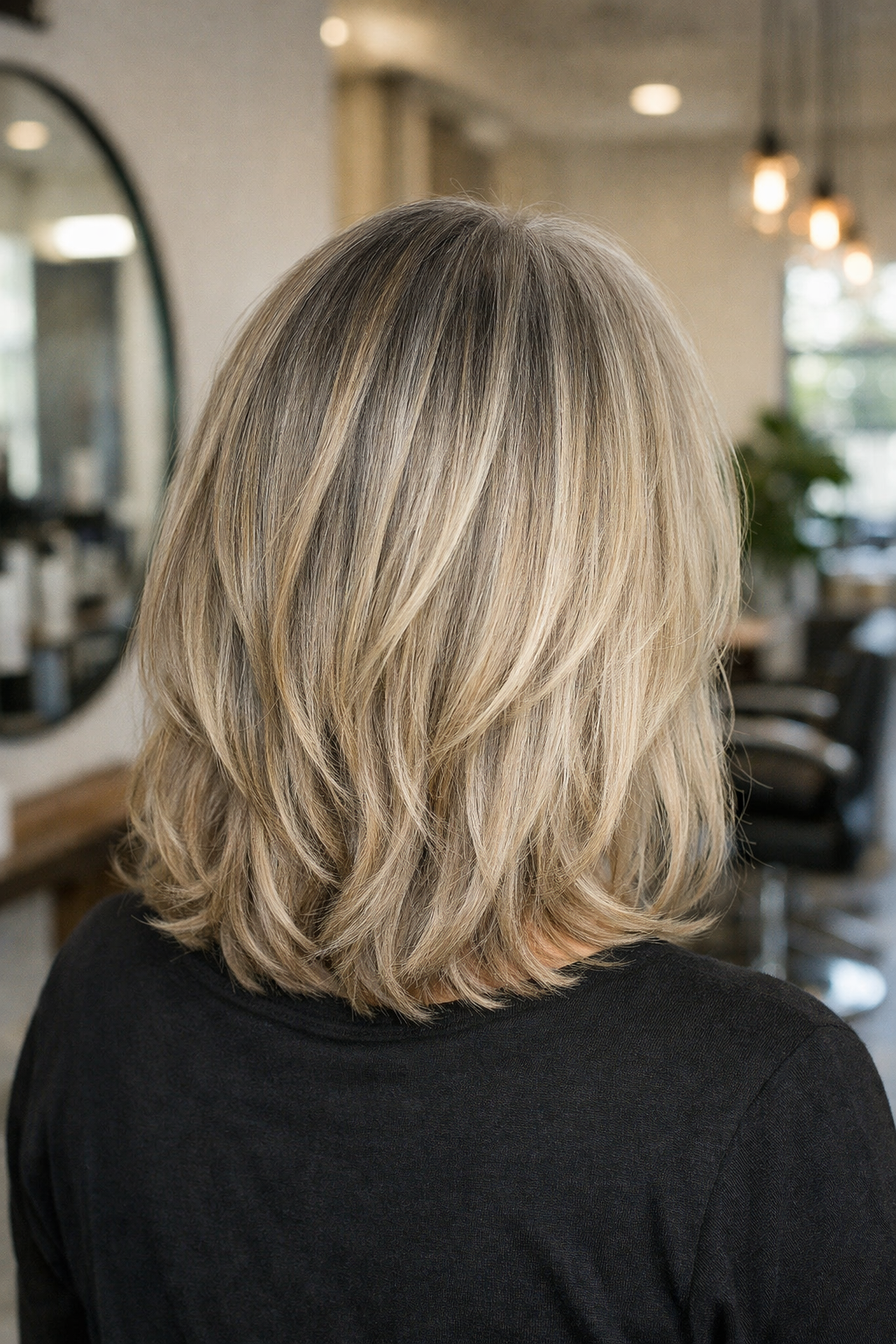
Best for: Clients who want a soft transition without fully committing to gray just yet
This is one of the most popular and approachable ways to blend gray hair gracefully. Instead of harsh permanent color at the roots, we use a demi-permanent color that fades naturally over time. Then, highlights are added to break up the line of demarcation and create brightness throughout.
Why clients love it:
No harsh root line
Color fades softly instead of growing out blunt
Keeps hair looking polished during the transition
Maintenance level:
Moderate. You’ll still come in for glosses or refresh appointments, but grow-out is much softer and more forgiving.
2. Removing All Color and Starting Fresh
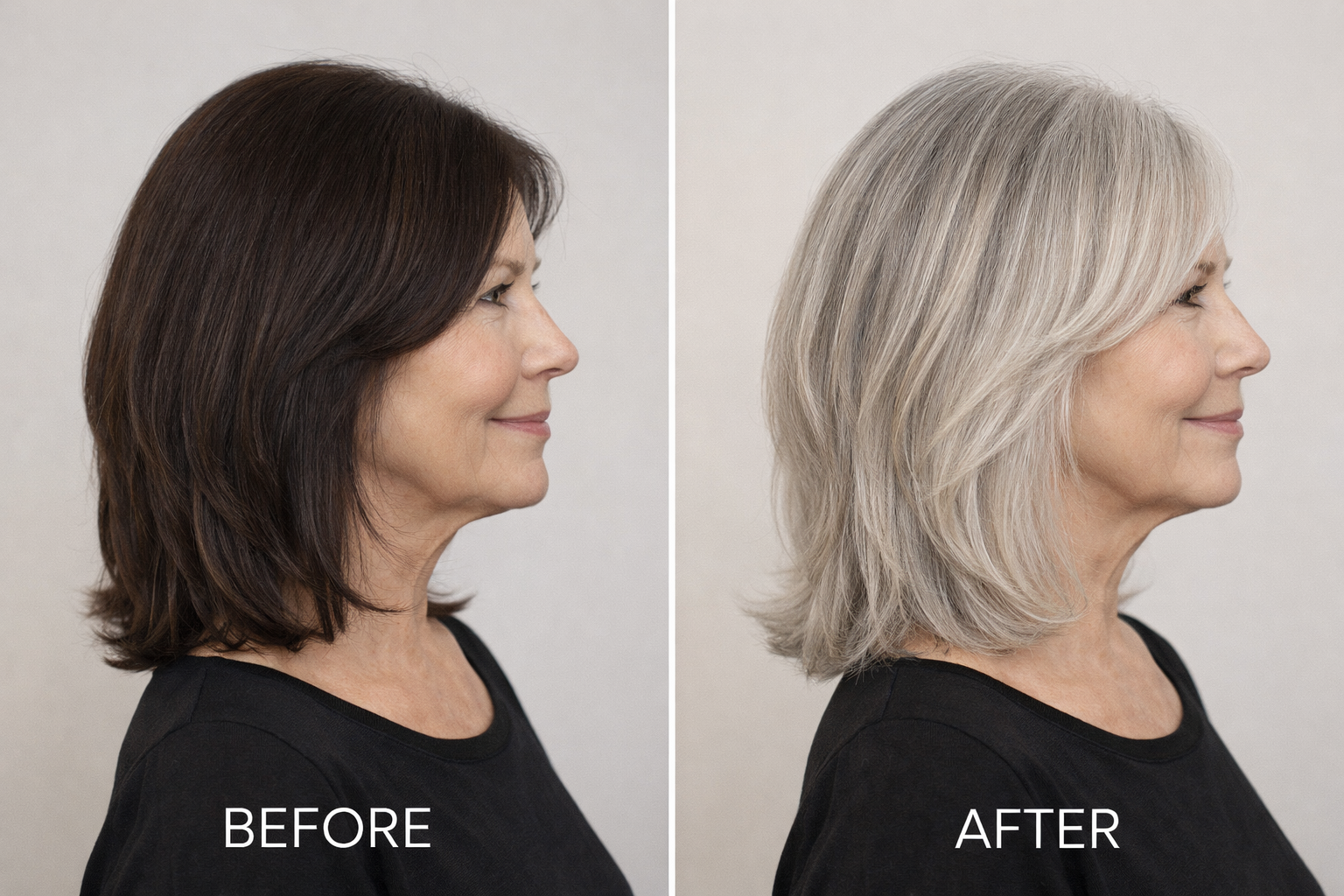
Best for: Clients ready for a clean slate and faster results
For some people, the most freeing option is also the boldest—stripping out old color completely and letting the natural gray take center stage. This can involve color removers, corrective work, and toning to even everything out.
Why clients choose this route:
Faster transition to natural gray
No more ongoing coverage
A clear “before and after” moment
Things to consider:
It’s a process, not a single appointment
Hair health must be carefully protected
Works best when guided by a professional
3. Cutting Hair Short and Growing It Out Naturally
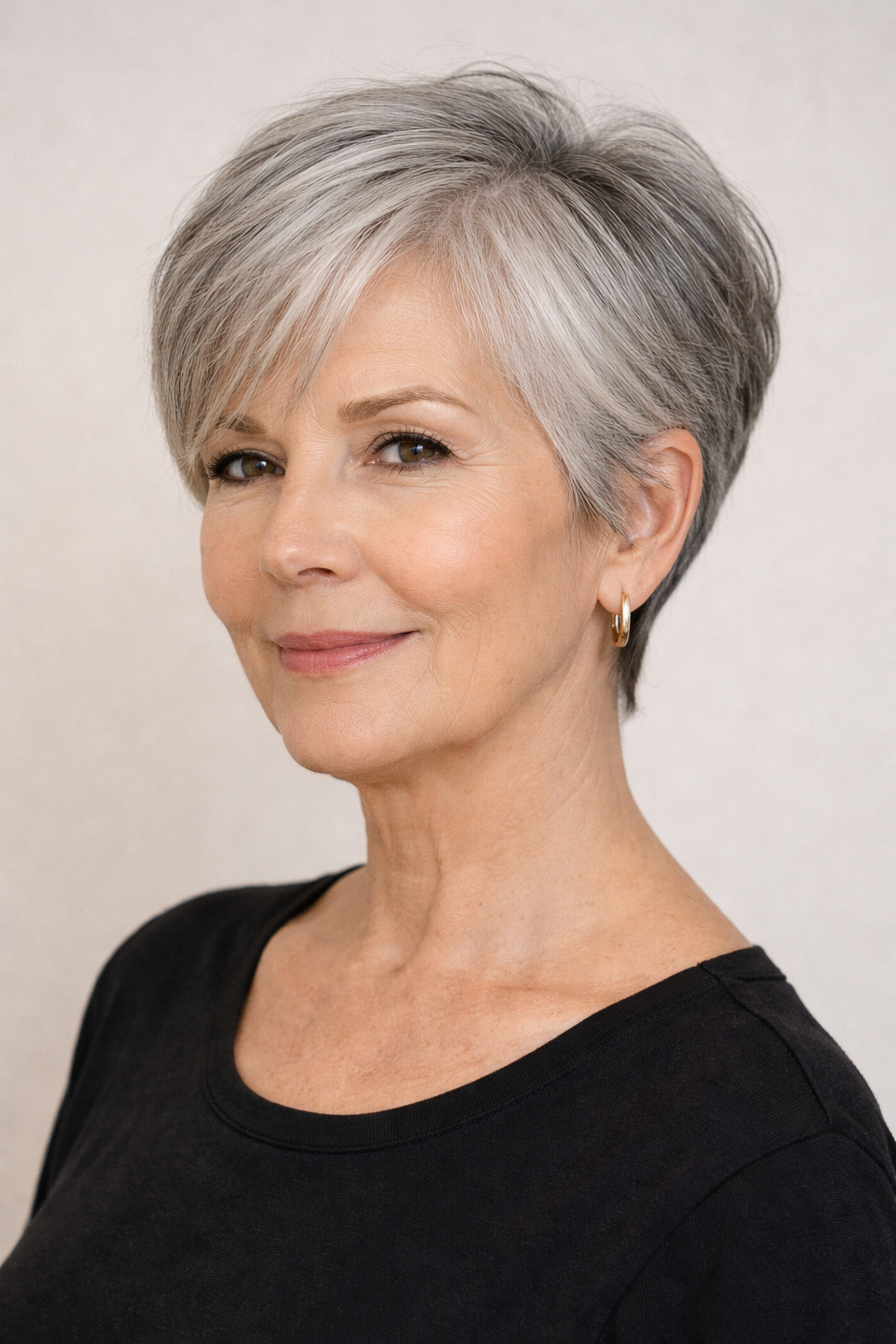
Best for: Low-maintenance lovers and bold personalities
Sometimes the simplest answer is also the most liberating. Cutting your hair short removes most of the dyed hair, allowing your gray to grow in naturally while you maintain the shape with regular trims.
Why this works:
Minimal chemical processing
Clear, honest transition
Fresh, modern short haircut vibes
Maintenance level:
Low. Regular haircuts are key, but there’s little to no color upkeep.
4. Full Head of Highlights + Tinting Lighter Over Time
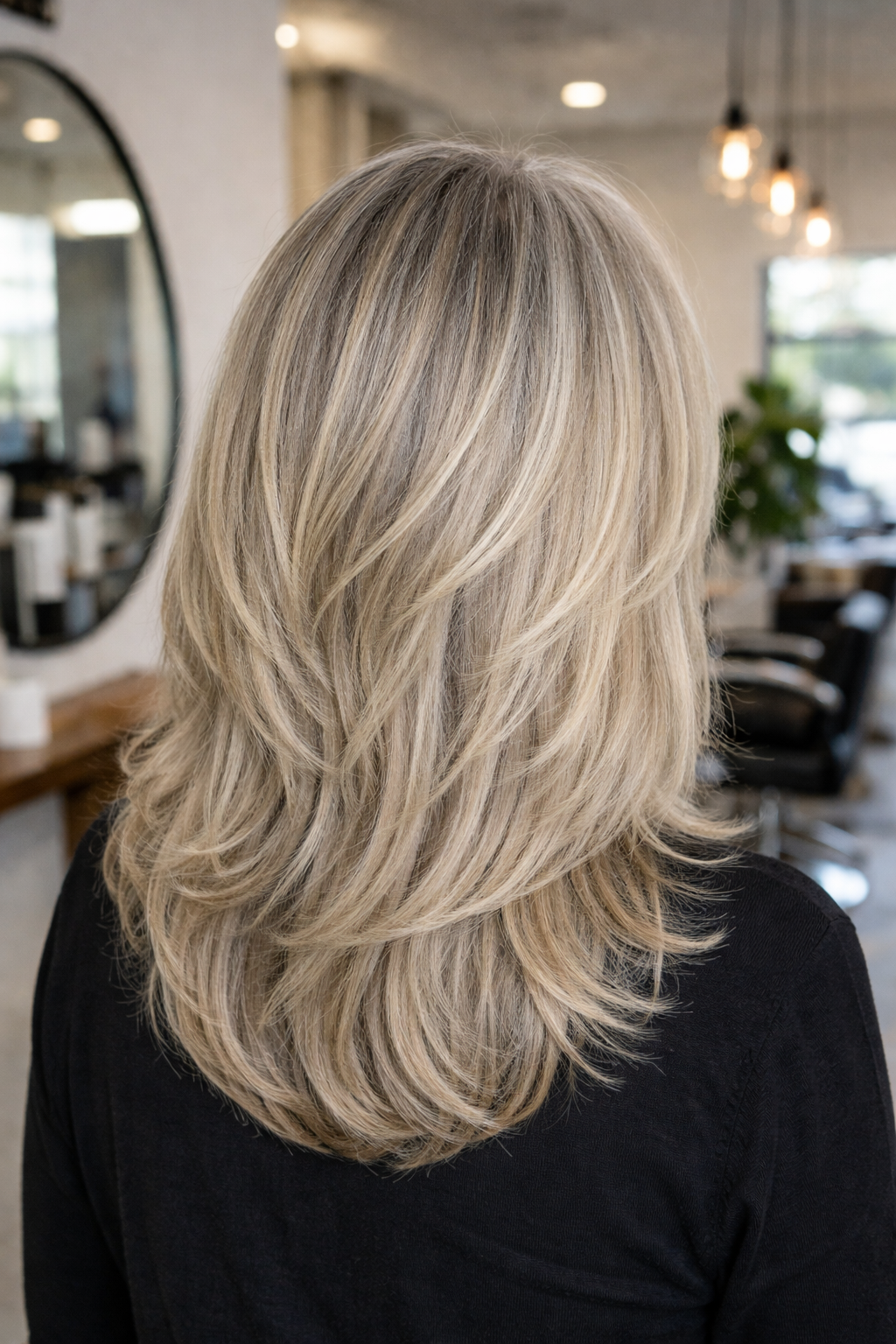
Best for: Clients who want to ease into gray gradually
This method focuses on going lighter and lighter over time. A full head of highlights helps blur the contrast between gray and darker hair, while toners and glosses keep everything soft and dimensional.
Why it’s so popular:
No drastic changes all at once
Hair looks bright and intentional
Perfect for blending salt-and-pepper patterns
Maintenance level:
Moderate to high, but extremely flexible depending on your goals.
5. Babylights and Teasy-Lights for Soft Gray Blending
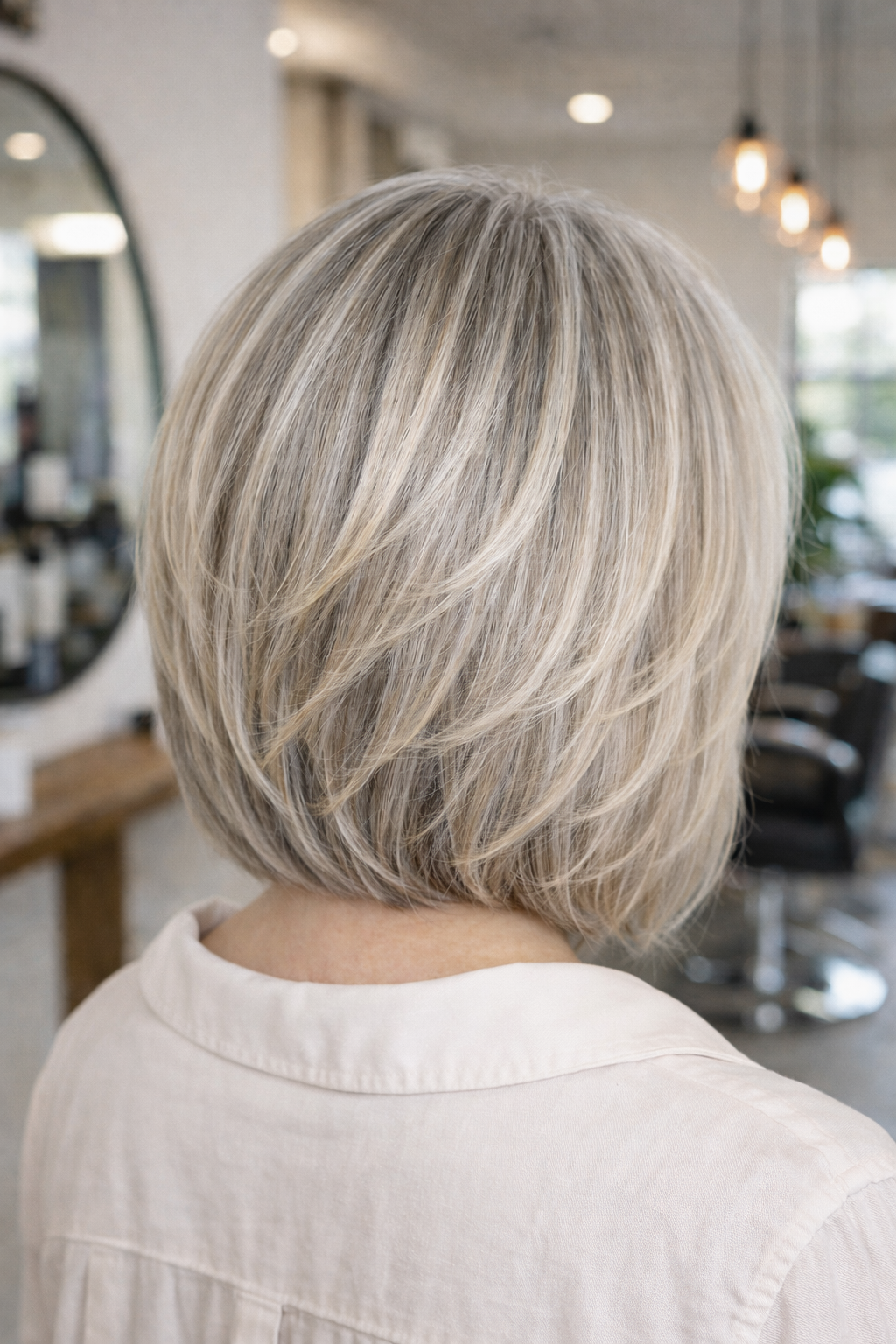
Best for: Clients who want the most natural-looking blend
These ultra-fine highlighting techniques mimic how hair naturally lightens over time. When paired with gray hair, they soften contrast and make grow-out nearly invisible.
Why it works so well:
Extremely natural results
No harsh lines
Ideal for first-time gray blenders
6. Shadow Roots, Glossing & Low-Commitment Transitions

Best for: Clients who want flexibility
Shadow roots and glosses allow you to experiment without pressure. Glossing enhances shine and tone, while a soft root shadow creates depth and cohesion as gray grows in.
Benefits:
Low commitment
Enhances natural gray tones
Great between major transition steps
7. Doing “Nothing”… But With Intention

Best for: Clients embracing their gray fully
Yes—doing nothing can still be a strategy. With the right haircut, toning glosses, and regular trims, letting gray grow naturally can look chic, confident, and completely intentional.
How to Choose the Right Gray Blending Option
If you’re unsure where to start, ask yourself:
How much maintenance am I comfortable with?
Do I want fast results or a gradual shift?
Am I emotionally ready for visible gray?
There’s no rush. The best gray blending journey is the one that feels aligned for you.
FAQs About Gray Blending
How long does it take to transition gray hair gracefully?
Anywhere from a few months to a couple of years—it depends on the method and your patience level.
Is gray blending damaging to hair?
When done correctly and professionally, gray blending prioritizes hair health and integrity.
Can I still look polished while growing out gray?
Absolutely. That’s the entire goal of modern gray blending.
Which option is lowest maintenance?
Short cuts or natural grow-outs with glossing tend to be the easiest.
A Gentle Wrap-Up: Your Gray, Your Way
Gray hair isn’t something to fight—it’s something to work with. Learning how to blend gray hair or how to transition gray hair gracefully opens the door to confidence, freedom, and a whole new kind of beauty.
If you’re feeling unsure, curious, or just want honest guidance, I’d love to help. At Naked Eye Beauty, gray blending is never one-size-fits-all—it’s personal, thoughtful, and designed around you.
✨ Have questions about your gray blending journey? Reach out to me here and let’s create a plan that feels right. ✨
xo Jen